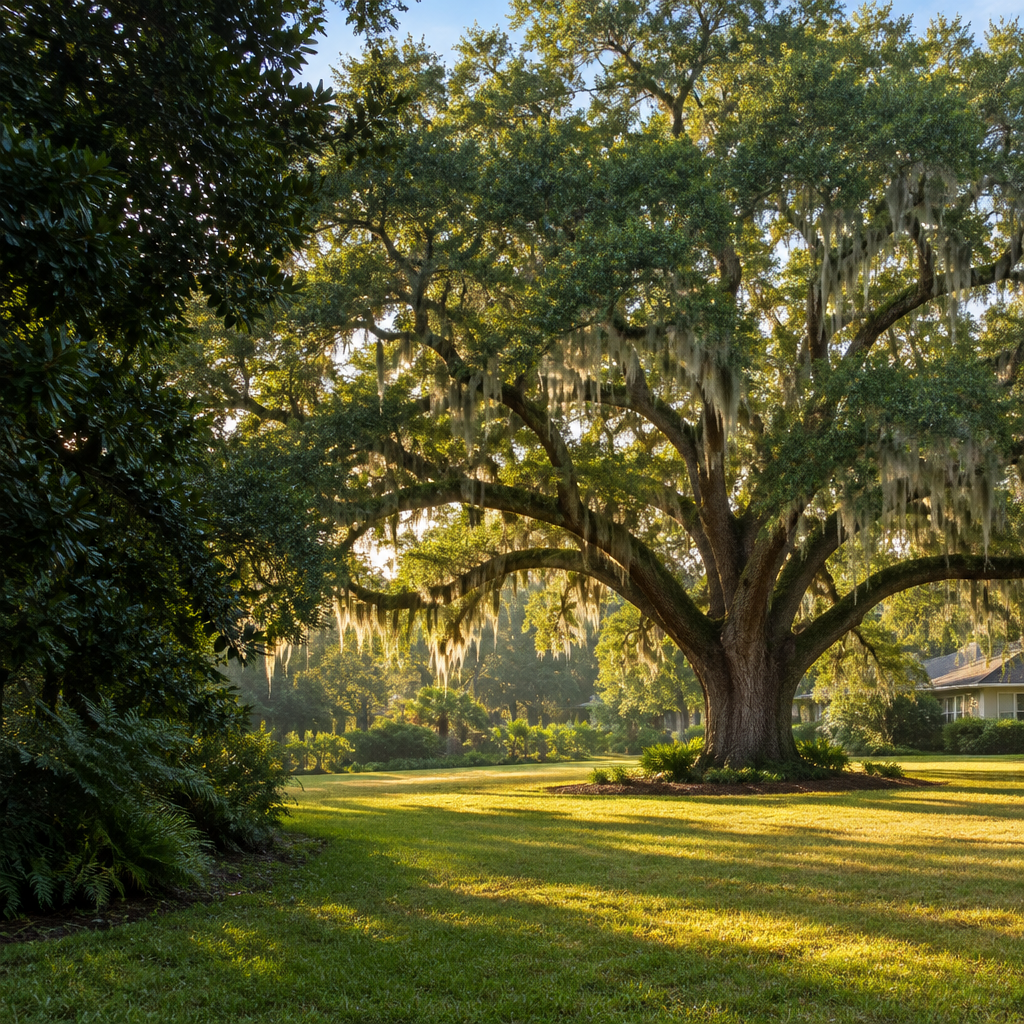
Tree Pruning
Selective pruning for dead limbs, clearance, and a natural canopy. Structural pruning principles guide which branches to retain; unnecessary topping is not the answer.
Request Tree Pruning
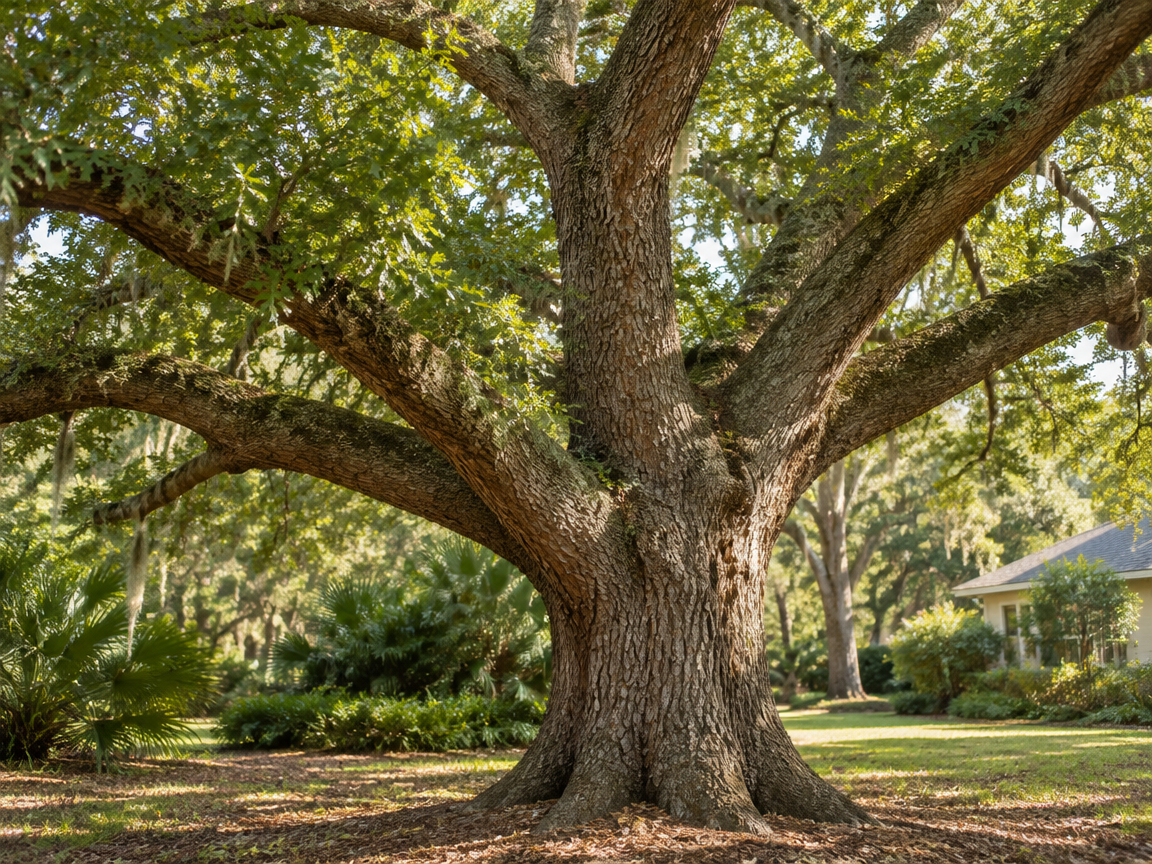
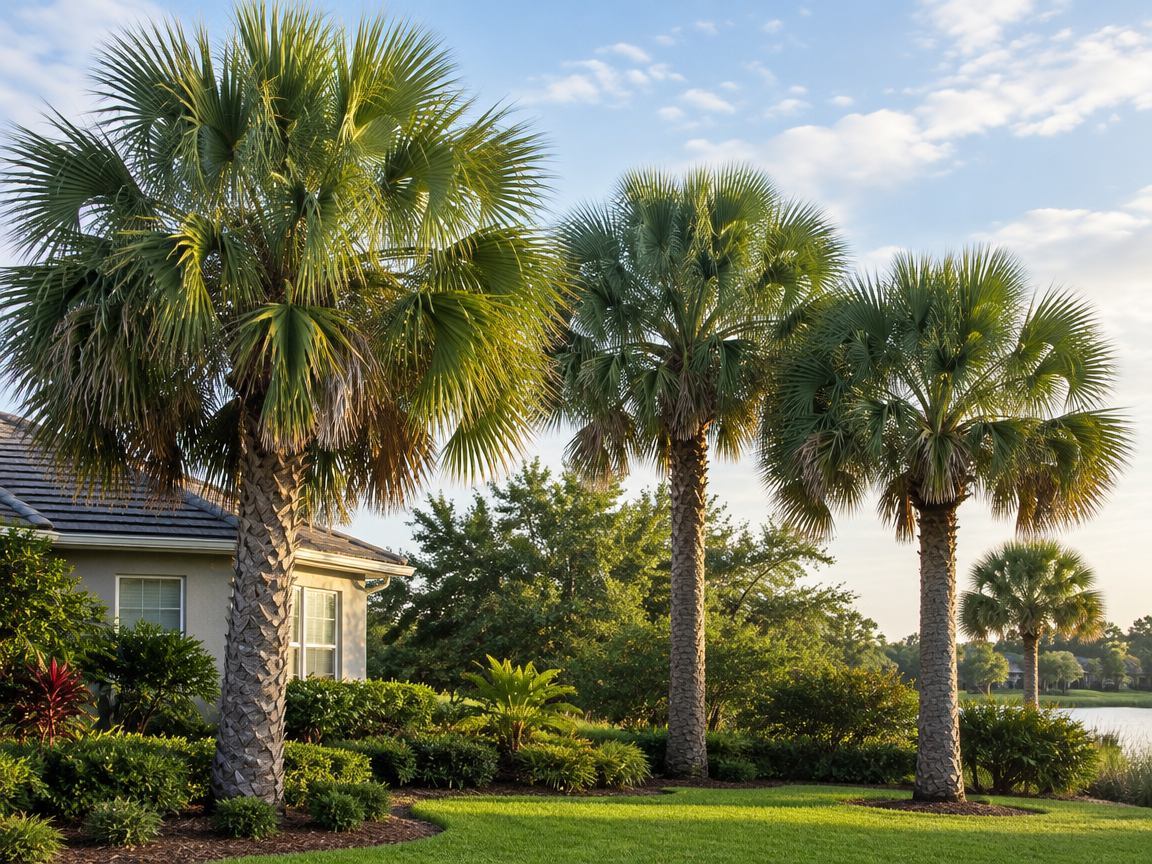
Tree pruning. Tree health concerns.
Thoughtful care for the trees you call home.
Concerned about a tree on your property? From overgrown branches and damaged limbs to a mature oak near your home, True Outdoors helps you discuss your tree-care needs and appropriate next steps.
Every tree is different.
So is the right way to care for it.
Start with your tree, your property, and your goals.
Selective pruning for dead limbs, clearance, and a natural canopy. Structural pruning principles guide which branches to retain; unnecessary topping is not the answer.
Request Tree PruningDiscuss live oak pruning, dead branches, and the space a mature canopy needs. Maintenance should respect large limbs, natural structure, and tree preservation.
Discuss Oak Tree CareDiscuss dead or damaged fronds and appropriate seasonal maintenance. Removing excessive healthy fronds can weaken a palm; avoid hurricane cuts.
Request Palm Tree CareDead branches, sparse or discolored foliage, trunk damage, fungi, disturbed roots, or sudden canopy changes deserve attention. We can discuss next steps; diagnosis or treatment may require a qualified specialist.
Discuss a Tree Health ConcernAppropriate pruning, protected root zones, and less trunk damage support residential trees. Consider soil compaction, drainage changes, and nearby structures before work begins.
Discuss Tree MaintenanceSevere storm damage, dead trees, structural defects, damaged roots, construction conflicts, or hanging limbs may warrant further evaluation. Not every damaged tree needs removal.
Discuss Tree Removal OptionsA clear scope matters. This site promotes tree services and general education, not verified ISA-certified consultations, diagnoses, appraisals, or formal tree-risk reports. Specialized work requires confirmation of the appropriate professional’s qualifications and availability.
Answer a few questions, upload photographs if available, and send your tree-care concerns to True Outdoors.
Describe your concerns in a few minutes
Optional, privately stored photographs
A real inquiry, not an automated diagnosis
Not sure what your tree needs?
That’s a perfectly good place to start.
This is an intake request, not a certified inspection, safety assessment, diagnosis, or binding estimate.
A change in your tree is a reason to ask questions,
not a reason to assume the worst.
Dry, leafless branches may follow shading, storm injury, drought, root stress, or pests. A photograph cannot show the full extent or cause. Have large deadwood, especially over occupied areas, evaluated before arranging removal.
Leaves may yellow with seasonal change, water stress, soil conditions, or pests. Color alone cannot identify a cause, and photographs do not replace examination. Seek qualified evaluation when discoloration persists or spreads.
Fewer leaves than usual can reflect season, past pruning, drought, root disturbance, or other stress. Images cannot establish internal condition. Sudden or progressive thinning merits professional attention.
An opening or hollow may follow an old injury and decay. Its size outside does not reveal the remaining wood inside; a photo cannot determine strength. A qualified professional can consider the cavity and surroundings together.
Mushrooms or shelf-like growth can occur on decaying wood or surrounding organic material. Species and location matter; a photo is not a diagnosis. Growth on the trunk or root flare warrants qualified evaluation.
Surface roots can be natural, or appear after erosion, grading, or soil disturbance. Images cannot show underground damage. Avoid cutting roots; seek advice before changing soil levels or paving nearby.
Broken limbs, split unions, or disturbed soil may follow high winds. Hidden damage and hanging branches are not reliably evaluated in photos. Keep clear and arrange professional attention when damage is substantial.
A longstanding lean differs from a new change after wind or root disturbance. Photos cannot establish stability or an overall risk level. A sudden lean or lifted root plate calls for keeping people away and prompt professional attention.
Photographs help start a conversation. They cannot establish a diagnosis.
Discuss Your Tree Concern
Mature live oaks are part of what makes DeLand feel like DeLand. Their broad canopies deserve thoughtful maintenance, not a one-size-fits-all cut.
Pruning needs depend on species, age, condition, and surroundings. Discuss maintenance around your home before making large cuts.
Request Oak Tree Care
A well-maintained palm does not need to be stripped bare. Healthy green fronds support the palm, and its growing crown needs protection.
Photos can document a concern but cannot confirm a palm disease. Specialist evaluation, treatment, and availability must be confirmed separately.
Request Palm MaintenanceFresh trunk cracks, sudden leaning, uprooted roots, hanging branches, significant storm damage, or a dead tree near occupied areas deserve attention.
Visible symptoms do not establish an overall risk level. A formal tree risk assessment requires an appropriately qualified professional using a recognized process. This intake is not an inspection, diagnosis, or risk score.
Discuss a Tree ConcernAn unhealthy-looking tree is not automatically a removal candidate. Condition, surroundings, and qualified evaluation should guide the decision.
DeLand is known for its mature trees and established neighborhoods. Before removing certain trees, review local tree protection requirements and confirm the current rules with the city.
Private-property trees may still be regulated. Protected and historic trees, city-owned trees, and public right-of-way trees may involve different review or permissions. Routine pruning is not the same as tree removal; do not assume trimming always needs a permit or that removal is always exempt.
Storm-damaged trees may have specific requirements. Properties outside city limits may fall under another jurisdiction. Confirm location and current requirements before regulated work.
General guidance only. This is not an official city service or project approval.
Call or submit the tree concern form. Share your location and the work you have in mind.
Describe symptoms, maintenance needs, nearby structures, and property conditions. Photos are optional.
True Outdoors reviews the inquiry and discusses available services or whether a qualified specialist is needed.
Coordinate agreed work after the service scope, scheduling, and applicable permissions are addressed.
True Outdoors LLC operates from Deltona and serves DeLand in Volusia County. Your tree’s location, size, visible condition, and nearby structures shape the work required.
Understand the difference between tree services, credentials, and specialized evaluations before you arrange work.
Verify an ISA credential ↗ ISA public education ↗ Official DeLand permit information ↗Concerned about the condition of a tree on your property? Whether you need pruning, help with damaged branches, or want to discuss maintenance and removal options, contact True Outdoors.
Request Tree Care HelpOperated by True Outdoors LLC
(386) 343-7491 TrueOutdoorsLLC@gmail.com
1957 Brewster Dr
Deltona, FL 32738
Based in Deltona · Serving DeLand